Higher Education Brief

Higher Education Brief: University endowments: Mission, money and climate risk and higher education

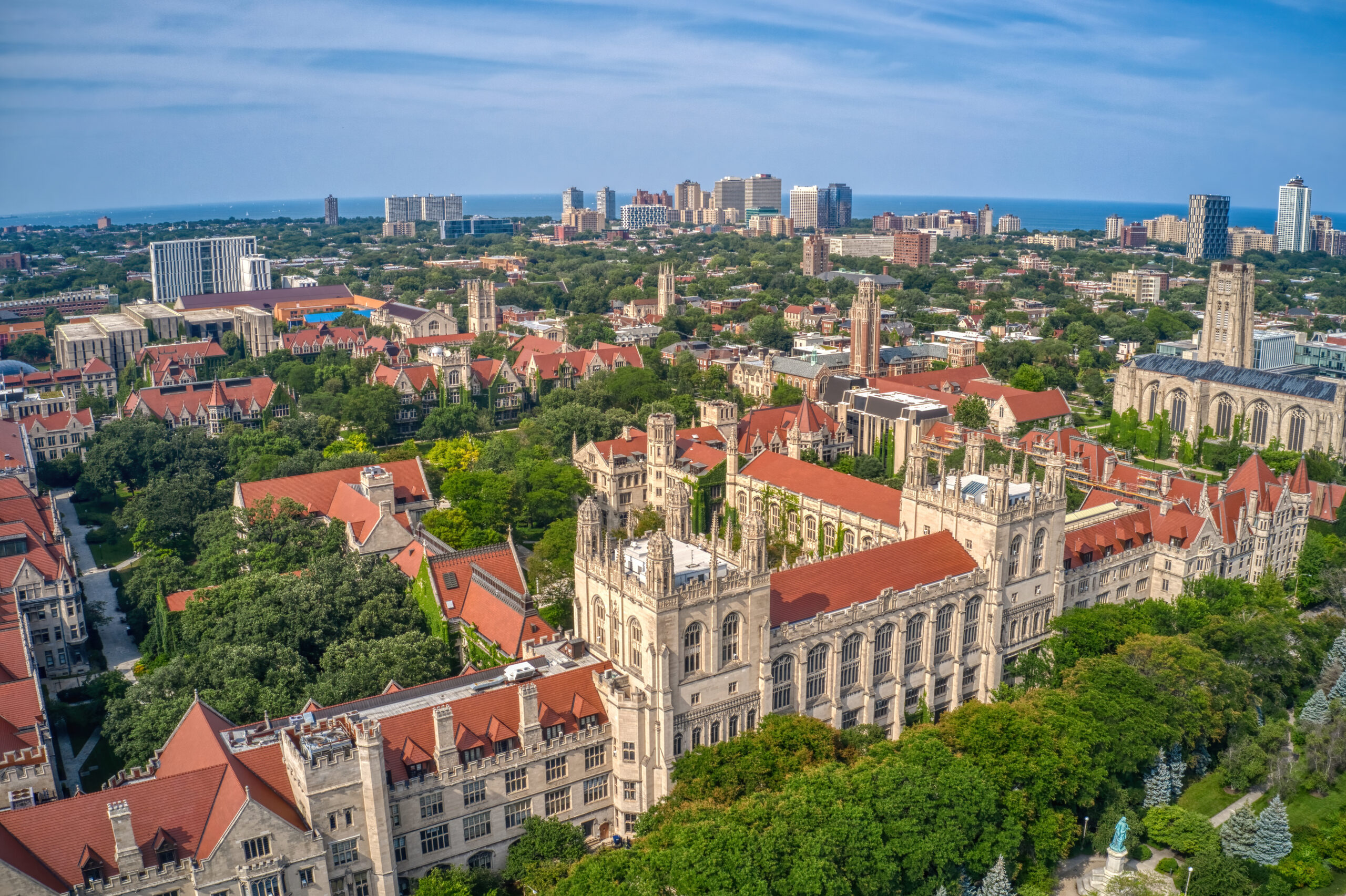
U.S. university endowments collectively hold more than $800 billion in assets, with approximately 50% in alternative investments and 30-40% in public equities. These portfolios are vital to funding scholarships, research, and campus operations. However, these entities are facing heightened exposure to climate-related risks, including stranded assets in fossil fuels, physical damage to tangible assets, and transition risks stemming from regulatory and market changes. Analysis suggests $1-4 trillion in fossil fuel assets globally could become stranded by 2050 if climate policies tighten, creating potential permanent impairments for equity holders. Some elite institutions still report fossil-fuel exposure of 2–6%.

Higher Education Brief: University endowments: Mission, money and climate risk and higher education Read More »

Higher Education Brief: The cost of waiting – Why deferred maintenance is now an enterprise risk in higher education

Deferred maintenance has evolved from operational challenge to enterprise-level risk. Collectively, U.S. colleges and universities face a staggering $112 billion in urgent deferred renewal needs, with Moody’s projecting $750–950 billion in spending required over the next decade just for rated institutions to modernize and stabilize backlogs. In a recent survey, 36% of chief financial officers (CFO) cite maintenance as a top risk. The average age of campus buildings is approximately 50 years, with many facilities already having surpassed their intended life spans. This aging infrastructure is reflected in Facility Condition Index (FCI) scores, where many systems report values greater than 0.10 — the commonly accepted threshold for “poor condition.”

Higher Education Brief: The cost of waiting – Why deferred maintenance is now an enterprise risk in higher education Read More »

Higher Education Brief: What’s in a university’s environmental footprint?

Months into the new administration, campus sustainability efforts continue to face heightened scrutiny and shifting political headwinds. For university leaders, the question isn’t whether this work still matters—it’s how to continue advancing it amid the risks and pressures. Some institutions have chosen to keep a lower profile. Others are rebranding or reframing their efforts to stay aligned with changing expectations. In this environment, strategy – not silence – is the key to staying on course.

Higher Education Brief: What’s in a university’s environmental footprint? Read More »

Higher Education Brief: How could AI make campus more energy-efficient and greener

Months into the new administration, campus sustainability efforts continue to face heightened scrutiny and shifting political headwinds. For university leaders, the question isn’t whether this work still matters—it’s how to continue advancing it amid the risks and pressures. Some institutions have chosen to keep a lower profile. Others are rebranding or reframing their efforts to stay aligned with changing expectations. In this environment, strategy – not silence – is the key to staying on course.

Higher Education Brief: How could AI make campus more energy-efficient and greener Read More »

Higher Education Brief: What universities need to consider during this time of national pushback

Months into the new administration, campus sustainability efforts continue to face heightened scrutiny and shifting political headwinds. For university leaders, the question isn’t whether this work still matters—it’s how to continue advancing it amid the risks and pressures. Some institutions have chosen to keep a lower profile. Others are rebranding or reframing their efforts to stay aligned with changing expectations. In this environment, strategy – not silence – is the key to staying on course.

Higher Education Brief: What universities need to consider during this time of national pushback Read More »

Scroll to Top