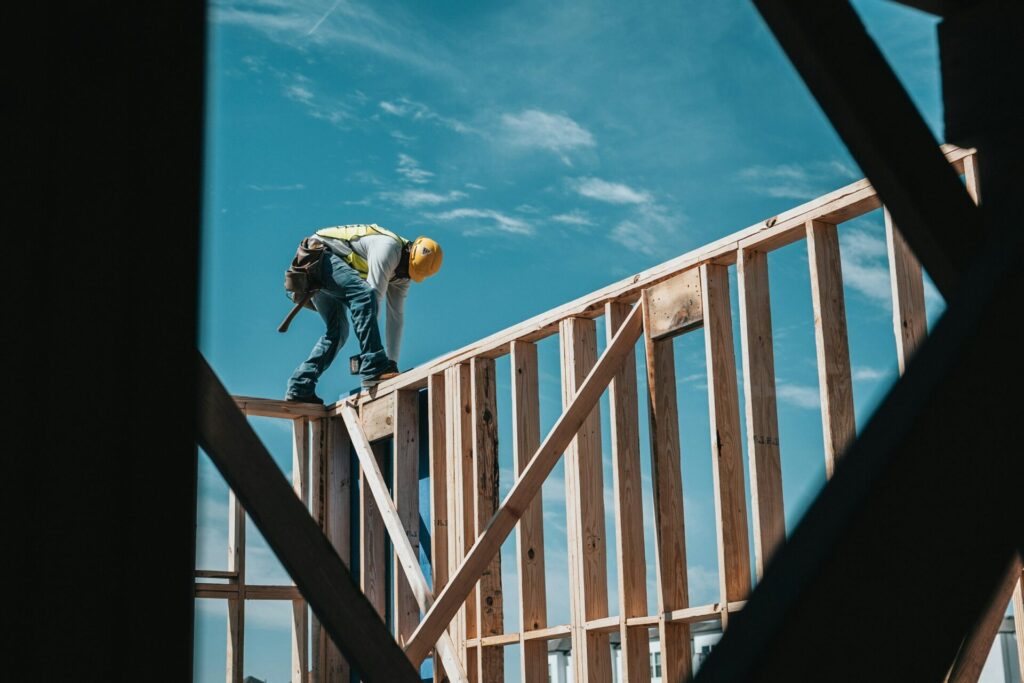
Embodied carbon and green building materials have become hot topics in the construction and real estate worlds. But what are they, and why do they matter for companies in the built environment?
Materiality assessments are growing in quantity but not always in quality. Telesto explains how you can avoid the pitfalls of meaningless materiality assessments and stick to best practice.
Efficiency and greenhouse gas emissions regulations are reshaping the construction industry, requiring builders to navigate a complex landscape of compliance requirements while recognizing the long-term benefits of sustainability, including cost savings, market differentiation, and environmental stewardship.
“Has Sustainability failed . . . ?”
A provocative and critical question that was raised in last week’s public launch of Alex Kruzel’s, CEO & Founder of Telesto Strategy, book The Courage to Continue at The Chicago Council on Global Affairs. Patrick Shewell, Director of Global Packaging Sustainability of Mondelez, provided the expert moderation to an at-capacity audience full of public and private sector leaders. Watch full discussion: Securing a Sustainable Future in a Polarized Era
As the urgency to address climate change grows, decarbonizing the built environment has become a critical priority. Non-profit organizations and thought leaders, including think tanks, play an indispensable role in driving innovation, shaping policy, and catalyzing action to achieve this ambitious goal.
Power Purchasing Agreements (PPAs) are an innovative way for companies to unlock Scope 2 emission reductions, but setting up a PPA is not always straightforward and requires careful up-front consideration.
With only 46% of the 100 largest REITs conducting materiality assessments and many focusing on the wrong material topics, this multi-trillion-dollar industry leaves much to be desired in its contributions to sustainability.
The "S" in ESG (Environmental, Social, Governance) represents social factors, which are increasingly recognized as crucial considerations for real estate firms. The “Social” category includes a company's impact on society and its stakeholders.
In an increasingly volatile world, managing ESG risks across your supply chain can be the difference between maintaining business continuity and profitability and not. This article explores what you can do to address risks today.
As governments worldwide intensify efforts to combat climate change, new building efficiency and emissions regulations are reshaping the landscape for building materials manufacturers. This article explores the implications of these regulations for manufacturers, strategies to adapt, and the potential opportunities that lie ahead.
Want to learn more about how we can help your organization create sustainable value in Real Estate & the Built Environment?